The appropriate wok sounds like a new software in a regular orchestra. It doesn’t combat your stove or your palms. It rewards you with seared edges and tender centers, glossy sauces that grasp with out drowning. Most newbies ask the same query at the counter: what measurement wok do I need? The resolution is less approximately a single number and greater approximately how you cook, for whom, and on what heat. Still, there are sizes that welcome inexperienced persons and support them in the direction of confidence. Let’s map the terrain with precision and a bit of indulgence, in view that cooking with a wok deserves both.
Why wok dimension concerns more than you think
A wok isn’t just a bowl of steel. The curve, diameter, and intensity resolve how nutrients strikes, how warmness concentrates, and how promptly moisture evaporates. Get it too small and you steam rather then sear. Get it too massive and also you combat to preheat frivolously, in particular on a dwelling house burner. Size decisions also impact your steadiness and wrist alleviation. A wok that asks for two palms and a prayer whenever you carry it received’t be your weeknight pal.
There is a sweet spot for most homestead kitchens: considerable ample for proper tossing and heat, compact sufficient to more healthy lower than a variety hood and over a familiar burner, with satisfactory floor discipline to brown in preference to stew. The wide variety that nails this for a lot of beginners is 12 to fourteen inches in diameter on the rim.
Start with your stove, now not your appetite
Most residence gas burners produce among 7,000 and 18,000 BTU. Induction and electric powered coil tops vary, but the hob length and warmth birth tend to be focused in a smaller circle. A restaurant wok burner can blast above 100,000 BTU and cradle a 16 to 18 inch wok devoid of blinking. Your kitchen will not. Respecting that boundary makes your food improved.
On a common gasoline differ, a 14 inch carbon metallic wok with a around backside sits conveniently on a wok ring, however it hovers further from the flame and loses a few potency. A flat backside edition makes direct contact with the grate, which helps while you don’t have a wok ring or for those who cook on electric or induction. A 12 inch wok will warmness rapid and is less complicated to control on smaller burners, however it may really feel tight while cooking for more than two.
If you prepare dinner on induction, be sure your hob diameter and that it “sees” the wok’s base. A flat-bottomed 13 to 14 inch wok with a base of 5 to six.5 inches works neatly. For electric powered coil or glass-best stoves, flat-bottomed is not very negotiable, and you would decide on 12 to 13 inches to save extra of the base over the hot sector.
The quiet luxury of the top fit
You be aware of you picked the correct length when preheating takes two to 4 minutes on medium-prime heat, oil swirls and shimmers without smoking, and your aromatics body spray the kitchen in seconds. Ingredients have to accumulate on the hot center and scoot up the cooler facets with out flinging onto your backsplash. When you toss, the meals arcs and returns to the hottest element, no longer into your lap.
In my kitchen, I avoid a 14 inch flat-backside carbon steel wok for kin stir-fries and a 12 inch for fast solo foods. The 14 lives at the front-left gasoline burner, the in simple terms person who reaches close 18,000 BTU. The 12 inch has carried out a number of middle of the night scallion eggs with no making me have faith in forearm power. If you question me quietly what size wok do I want to begin, I default to 14 inches for a spouse and children of three to five, and 12 to 13 inches for one to two folks, peculiarly on modest warmth.
Round-backside vs flat-bottom alterations the math
The profile of the wok alterations how length behaves. Round bottoms are classic for a reason why. They focus warmth at a element and make tossing easy. On a reliable gasoline flame with a wok ring, a 14 inch circular-bottom wok sings. On an electrical hob, it sulks. You’ll battle steadiness and heat switch.
Flat-bottom woks develop the bottom, which is perfect for induction and electric powered. On fuel, they still function smartly, although the heat does now not wrap the perimeters as dramatically. Because the flat base spreads the new region, you could possibly without problems cross slightly bigger, that is why 14 inches flat-backside is a quality novice’s opt for even on a mid-force gas stove. Your stir-fries will nonetheless caramelize in place of weeping into a puddle.
Capacity, extent, and the meat-to-pan ratio
The top measurement preserves the vital meat-to-pan ratio that makes wok cooking taste like wok cooking. Overcrowd the core and you trap steam, which cools the surface and grays the protein. Underfill it and your aromatics scorch formerly the most important substances arrive.
As a difficult support, a 12 inch wok gives you a comfortable working batch for:
- eight to 12 ounces of sliced protein plus 2 to three cups of reduce vegetables, or a beneficiant noodle stir-fry for one, gentle for two.
A 14 inch wok handles:
- Up to at least one to 1.25 kilos of sliced protein plus three to four cups of vegetables, or a hearty noodle stir-fry for two to three, with room to toss with out spillage.
Notice what this suggests: inspite of a 14 inch wok, you still cook in batches for a crowd. If you have got six hungry company, sear the protein in two rounds, then combine. The large diameter offers you pace and manipulate, no longer a license to prepare dinner for an army in a single cross. This is where many novices day trip.
One take care of or two, and the way it influences size
Handle layout transformations how a wok feels at scale. A pow wok has a unmarried long tackle and a small helper loop. A Cantonese wok has two loop handles. The unmarried manage makes tossing with one hand undemanding, surprisingly while you are getting to know to flick the core up the perimeters. It additionally acts as a lever if you tilt and plate. The moment you cross beyond 14 inches, notwithstanding, a single-address carbon steel wok can get heavy as soon as cuisine is inside. If you want a 15 or 16 inch diameter for enjoyable, the dual-loop Cantonese trend will become more reasonable.
For freshmen, a 14 inch unmarried-manage carbon metal wok is the sweet spot. It is super sufficient for proper tossing and element flexibility, pale ample to boost with one hand, and compact enough to quickly warmness. If your wrists are sensitive or you could have a slab-exact stove, a 12 to thirteen inch single-cope with would feel greater agile.
Material and thickness make bigger the size decision
Carbon metal is the working chef’s possibility for a cause. It heats instant, cools instant, and seasons into a semi-nonstick surface with use. It is usually mild as compared to cast iron. In carbon metal, thickness topics more than emblem hype. A 1.5 to 2 millimeter thickness on a 12 to 14 inch wok moves a good steadiness among responsiveness and stability. Thicker than 2.zero millimeters, and your preheat time grows. Thinner than 1.4, and the wok hotspots and warps greater honestly, mainly on induction.
Cast iron woks retain warm properly, which sounds romantic except the reality of preheating a 14 inch cast iron vessel on a customary burner units in. On a weak range, you would under no circumstances entirely recuperate temperature after including chilly protein. If you love forged iron, avert it in the 12 inch variety, and are expecting a planned velocity. Stainless tri-ply woks glance sharp and fresh without problems but do not season like carbon metallic. For high-warmth searing, stainless has a tendency to paste for those who get timid with your temperature. If you are severe about wok hei and speed, carbon steel continues to be the maximum forgiving and moneymaking.
Ceiling top, shelves, and hood clearance
Architectural realities intrude with romance. Measure from your cooktop for your hood. Most 14 inch woks with a protracted cope with stand 5 to six inches tall, and also you need yet one more four to six inches of clearance to toss effectively. If your hood sits low otherwise you prepare dinner underneath cupboards, a 12 to thirteen inch wok will prevent oil kisses off the wood and spare your knuckles. Strong air flow concerns. A roaring fuel burner underneath a sixteen inch wok with no a succesful hood will body spray your own home with smoke for hours. If your hood is decorative rather than sensible, make a choice 12 to fourteen inches and prevent your batches modest.
The case for 14 inches as the first extreme wok
Let’s cope with the trouble-free form of the question at once: what length wok do I desire if I’m shopping for my first and choose a safe workhorse? For most residence chefs on gas, a 14 inch, flat-bottom carbon steel wok with a single deal with is the such a lot flexible and forgiving possibility. It allows you to sear a pound of steak strips devoid of steaming, toss noodles for two-to-three very easily, and bloom aromatics without tipping them onto the burner. It preheats promptly on a good entrance burner and matches below so much hoods.
There are exceptions. If you cook dinner purely for yourself or you've got you have got a small electric powered cooktop, a 12 inch flat-bottom will serve you nicely. You will analyze the motions rapid seeing that you’ll handle the pan extra quickly and you'll no longer desire to crank the warmth to atone for mass. If you already personal a potent 20,000 BTU burner or a committed backyard wok burner, believe unfastened to graduate to a 16 inch spherical-bottom. That is a specialized pleasure, no longer a amateur default.
How a 0.5 inch variations your results
These appears like small steps, yet a half inch here consists of a proper distinction in extent and surface zone. A 13.5 inch wok occupies the space among 12 and 14 that many European and Japanese brands desire. On an induction hob, it most commonly plays superior than a 14 because the flat base overlaps the coil greater flawlessly. On a ten,000 BTU gasoline burner, the marginally smaller diameter interprets to turbo warmth recuperation if you happen to add chilly white meat or tofu, which makes browning extra strong.
If you live in a compact kitchen, that 0.5 inch will also be the distinction between slipping the wok into the oven for storage or pulling out a stepladder for a top cabinet. Practical luxury is opting for the software that avoids unnecessary friction.
The genuinely cooking space is not really the rim
New proprietors get seduced by means of the rim dimension, then annoyed by way of the cramped warm spot. The top cooking floor is the six to eight inch bullseye inside the midsection. That is where Maillard happens. The sloped facets are for staging, now not for browning. The large the wok, the bigger the bullseye, as much as the bounds of your burner’s flame width.
On a 12 inch wok, your bullseye may be 5 to six inches. On a 14 inch, it expands to 6 to 8. That more inch determines whether your second handful of mushrooms touches scorching steel or perches in a sauna. This is why serious stir-frying on a ten inch wok looks like cooking in a teacup. Save tiny woks for ornamental cabinets and boulevard cuisine distributors with 200,000 BTU rigs.
Two woks or one
If you choose simply one, choose the dimensions that first-class suits your burner and widely used pieces. If possible justify two, pair a 12 inch with a 14 or sixteen. The 12 ends up your breakfast and speedy noodle wok. The better pan becomes your dinner and unique wok. I prepare dinner efficient beans blistered within the 14, with garlic tossed in on the conclusion, and I poach eggs in chili oil in the 12. On weeknights, I want speed and handle, not a shoulder work out.
What learners mistakenly prioritize
People basically fixate on diameter and forget the relax. They pick a 16 inch wok with a heavy-gauge wall, then marvel why fried rice stays faded. Or they elect a cute 10 inch pan, excellent for an omelet, then ask why bok choy weeps. Size interacts with warmth. Material interacts with dimension. Handle layout interacts with wrist energy. The perfect alternative emerges from balance.
Another straightforward mistake is imagining the wok as a deep pot. Yes, you possibly can shallow-fry in it. Yes, you may steam with a rack. But the core id of a wok is high-warm, swift flow, and stratified temperature zones. That identification begins to fray if the wok dwarfs your heat supply or overwhelms your air flow.
How to determine, in the kitchen you already have
Use this as a realistic, 5-minute workout to land the appropriate size the first time.
- Stand at your range and look into your strongest burner. If that's no less than 12,000 BTU or your induction hob is nine inches or larger, plan for a 14 inch flat-bottom carbon metal wok. Weaker burners or smaller hobs desire a 12 to thirteen inch. Reach a hand underneath your hood. If clearance feels tight or cupboards press shut, cap your prefer at thirteen to fourteen inches, except you intend to cook with the wok located a bit forward and receive some spatter. Consider your regularly occurring portion. If you sometimes cook dinner a pound of protein and numerous cups of vegetables, a 14 inch saves you from batch frustration. If you almost always prepare dinner for one, a 12 inch will feel nimble. Imagine the raise when the wok is full. If your wrists bitch at the inspiration, target smaller or choose a Cantonese two-loop genre. Confirm your cooktop compatibility. Electric and induction factor to flat-backside. Gas welcomes both, notwithstanding flat-backside removes the ring from the equation.
The tactile cues of a suitable sized wok
You will recognise your dimension is true when the pan communicates returned. A thin sheet of oil ripples and glides whilst you tilt. Garlic flares with heady scent without browning abruptly. Celery and bell peppers launch steam that vanishes rather than pooling. When you shake the pan, you sense delicacies roll up the partitions and tumble house. If, as an alternative, you see a puddle in the middle and crowded ingredients that blanch, not brown, you doubtless sized up too a long way for your warmness.
I once verified a 16 inch wok on a 9,500 BTU apartment stove. It appeared heroic on the counter and sullen on the flame. Preheating took a while. When I extra marinated red meat, the sizzle died and a ghost of liquid pooled at the base. The stir-fry tasted effective, but it lacked the ones crisp, smoky edges that make the dish awaken. Swapping to a 13 inch at the comparable burner became the comparable constituents into dinner with personality.
Household sizes and wide-spread picks
There are large patterns valued at noting. A single person in a compact condominium with electric powered coils may be happiest with a 12 inch flat-backside. A couple on midrange gas can opt for a thirteen or 14 and develop into it. A family of four that likes leftovers will have to bounce at 14, then upload a second, smaller wok if cooking solo will become a behavior. The higher pan multiplies its importance when company collect, considering that you'll be able to batch proteins with out feeling such as you’re going for walks a relay.
If here you usally cook dinner rice noodles, a 14 inch pan presents more runway for spreading the noodles and holding them from clumping. If your repertoire leans toward comfortable greens or egg dishes, the 12 inch responds speedier to temperature alterations, which subjects while about a seconds separate silk from rubber.
Maintenance, garage, and the way dimension impacts both
Seasoning a carbon metallic wok is easier in a slight dimension. A 14 inch pan fits in most ovens should you favor to season with warmth and a skinny oil coat. Larger pans may clip an component or contact a wall, which leads to choppy polymerization. On the stovetop, a 12 to fourteen inch pan is straightforward to spin and heat across the rim for a fair patina. Anything higher and you tend to chase cold spots.
Storage issues as effectively. A 12 to fourteen inch wok nests well with a lid and a bamboo steamer in so much lessen shelves. A 16 inch broadly speaking claims a corner of the pantry and irritates partners who dislike bronze-drum decor. If your space is constrained and also you treat your kitchen like a gallery of essentials, a 14 inch is still a swish presence in preference to a burden.
Don’t forget the hoop and the spatula
If you pass around-bottom on gasoline, buy a durable wok ring sized on your pan. The ring may want to elevate the wok just prime sufficient that the flame licks the perimeters, not simply the base. A mismatched ring wastes warmness. With a flat-backside wok, skip the hoop and maintain the pan straight away on the grate or hob.
A great wok spatula or chuan deserve to suit the curvature of your wok. The candy perspective for a 14 inch continuously hits approximately 7 to eight inches from the tip to the shoulder, which slides along the curve and frees fond without gouging. Too small, and you go away browned bits behind. Too mammoth, and also you splash sauce. Small details, but in a wok, geometry is efficiency.
When a 16 or 18 inch wok makes sense
There are times to go tremendous. If you personal an outdoor propane wok burner or a integrated high-BTU indoor burner with critical ventilation, a sixteen or even 18 inch round-bottom wok unlocks thick piles of veggies, grand platters of clams with black bean sauce, and noodles that wrangle for consideration. The further diameter spreads warm in a approach that assists in keeping the core raging even if you what size wok do I need happen to upload cold vegetables. But that's really expert kit. It shines whilst the hearth is powerful satisfactory to make the steel ring.
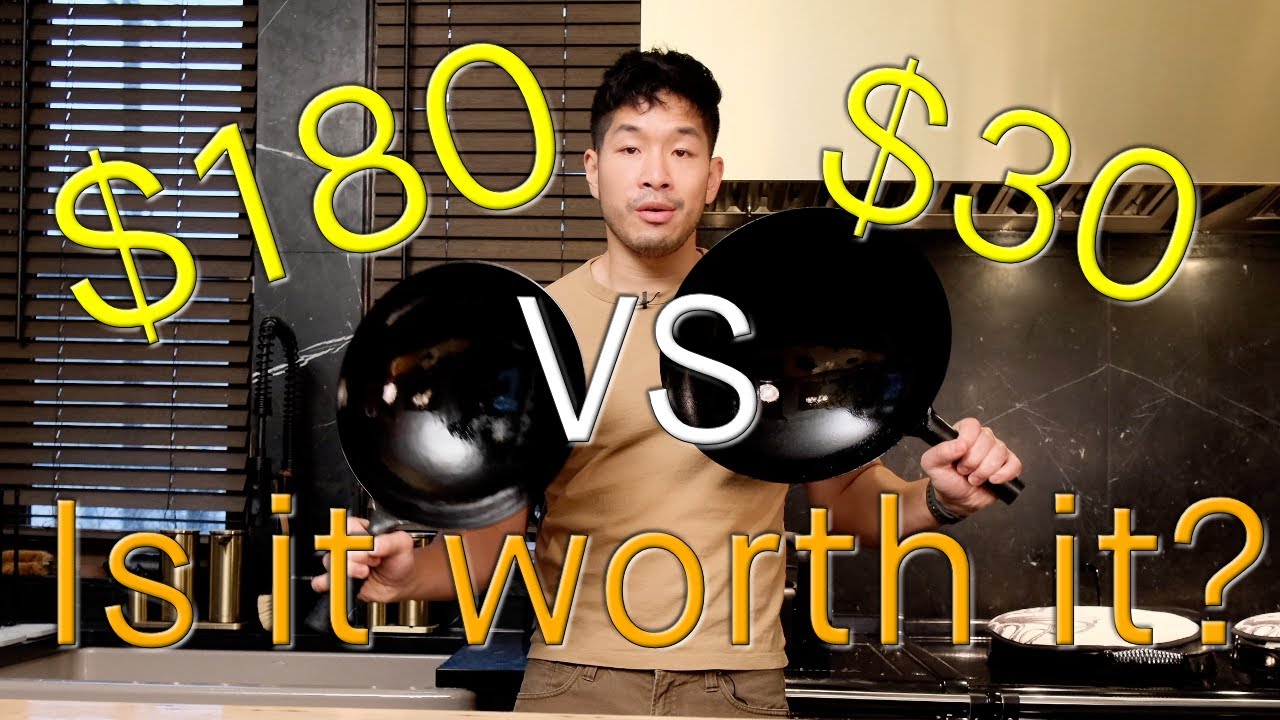
For most newbies asking what size wok do I want, the sixteen inch is fable theater. It complicates garage and disappoints on homestead warmness. Let it be your 2nd wok after your talent and hardware seize up.
A measurement-by way of-state of affairs ebook you can actually trust
Here is a succinct mapping from every day existence to diameter with no getting misplaced in the weeds.
- Studio apartment, electric powered coil or induction less than eight inches, cooking for one: 12 inch flat-backside carbon metallic. Typical fuel range, 12,000 to 15,000 BTU, cooking for two to four: 14 inch flat-bottom carbon steel, unmarried tackle. High-output gasoline with robust air flow, adventurous stir-fryer who entertains: 14 to sixteen inch circular-bottom carbon metallic with ring. Wrist sensitivity or small storage spaces: 12 to thirteen inch flat-bottom, lighter gauge, single deal with. Dedicated backyard wok burner or indoor 20,000+ BTU and a genuine hood: 16 inch spherical-bottom, Cantonese or pow type in response to alternative.
The luxury is in the results
Luxury in the kitchen isn’t a rate tag. It’s the grounded ease of a device that makes you more desirable. A neatly-selected wok supplies you regulate over time and texture. It means that you can cook dinner overdue and devour early. It turns a handful of aromatics, about a veggies, and a modest cut of meat into whatever thing you possibly can serve to neighbors without apology. Choose the size that respects your warmness and your fingers. If you’re nonetheless torn and choose a established first preference, allow the compass settle at 14 inches, flat-bottom, carbon steel, unmarried manage. It will not be your last wok, yet it must be your first just right one.
Once it arrives, season it, warm it with staying power, and resist the urge to overfill. Listen for the right reasonably sizzle, the one that lingers whilst nutrients hits metallic. The sound will let you know what the numbers basically hinted at: you picked the correct measurement.